Innovative Interior Design Trends for Modern Spaces
- morgangroth99
- Feb 15
- 4 min read
In the world of interior design, staying ahead of trends is essential for creating spaces that are not only functional but also aesthetically pleasing. As we move through 2023, several innovative trends are emerging that redefine how we think about our living and working environments. This blog post will explore these trends, providing insights and practical examples to inspire your next design project.
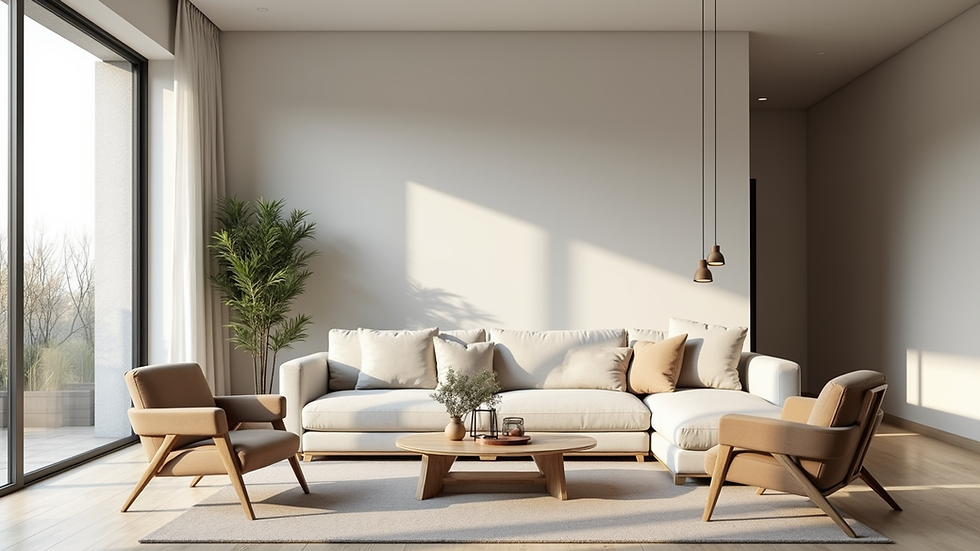
Embracing Minimalism
Minimalism continues to be a dominant trend in interior design. This approach emphasizes simplicity and functionality, stripping away unnecessary elements to create a serene environment. Key features of minimalist design include:
Neutral Color Palettes: Soft whites, grays, and beiges dominate, creating a calm atmosphere.
Functional Furniture: Pieces that serve multiple purposes, such as a coffee table with storage, are favored.
Open Spaces: Layouts that promote flow and openness help to reduce clutter and enhance tranquility.
For example, a minimalist living room might feature a sleek sofa, a simple coffee table, and a few carefully chosen decorative items, allowing the space to breathe and feel inviting.
Biophilic Design
Biophilic design is gaining traction as more people seek to connect with nature within their homes. This trend incorporates natural elements into interior spaces, promoting well-being and reducing stress. Key aspects include:
Natural Materials: Wood, stone, and organic fabrics are commonly used.
Indoor Plants: Incorporating greenery not only enhances aesthetics but also improves air quality.
Natural Light: Maximizing sunlight through large windows or skylights creates a bright and uplifting environment.
A great example of biophilic design is a sunlit kitchen adorned with potted herbs and wooden cabinetry, creating a warm and inviting atmosphere that encourages cooking and gathering.
Sustainable Design
As environmental awareness grows, sustainable design is becoming a priority for many homeowners and designers. This trend focuses on using eco-friendly materials and practices to create spaces that are both beautiful and responsible. Key components include:
Recycled Materials: Furniture and decor made from reclaimed wood or recycled metals are popular choices.
Energy Efficiency: Incorporating energy-efficient appliances and lighting reduces environmental impact.
Sustainable Fabrics: Organic cotton, linen, and hemp are preferred for upholstery and textiles.
For instance, a dining room featuring a reclaimed wood table paired with sustainable fabric chairs not only looks stylish but also reflects a commitment to environmental responsibility.
Smart Home Technology
The integration of smart technology into interior design is transforming how we interact with our spaces. Smart home devices enhance convenience, security, and energy efficiency. Key features include:
Smart Lighting: Adjustable lighting systems that can be controlled via smartphone apps or voice commands.
Automated Climate Control: Thermostats that learn your preferences and adjust accordingly for optimal comfort.
Home Security Systems: Smart cameras and alarms that provide peace of mind.
Imagine a living room where you can adjust the lighting and temperature with a simple voice command, creating the perfect ambiance for any occasion.
Multifunctional Spaces
With more people working from home, the need for multifunctional spaces has never been greater. Designing areas that can serve multiple purposes is essential for maximizing space and functionality. Key strategies include:
Flexible Furniture: Pieces that can be easily moved or reconfigured, such as foldable desks or modular sofas.
Zoning: Using rugs or furniture placement to define different areas within a single room.
Storage Solutions: Incorporating built-in storage to keep spaces organized and clutter-free.
For example, a home office that doubles as a guest room can feature a stylish sofa bed and a compact desk, allowing for seamless transitions between work and relaxation.
Color Trends
Color plays a crucial role in setting the mood of a space. In 2023, several color trends are emerging that reflect current design sensibilities. Key trends include:
Earthy Tones: Shades of terracotta, olive green, and muted browns create a warm and inviting atmosphere.
Bold Accents: Bright colors like deep blues or vibrant yellows are used as accent walls or in decor to add personality.
Monochromatic Schemes: Using varying shades of a single color can create a sophisticated and cohesive look.
A living room featuring a deep green accent wall paired with neutral furniture can evoke a sense of calm while making a bold statement.
Textures and Patterns
Incorporating various textures and patterns adds depth and interest to interior spaces. This trend encourages mixing materials and designs to create a layered look. Key elements include:
Textured Fabrics: Velvet, linen, and boucle add tactile richness to furniture and decor.
Layered Rugs: Combining different rugs can create a cozy and inviting atmosphere.
Geometric Patterns: Bold patterns in wallpaper or textiles can serve as focal points in a room.
For instance, a bedroom with a plush velvet headboard, layered rugs, and patterned throw pillows can create a luxurious and inviting retreat.
Personalization and Customization
As homeowners seek to express their individuality, personalization in design is becoming increasingly important. This trend emphasizes creating spaces that reflect personal style and preferences. Key aspects include:
Unique Art Pieces: Incorporating original artwork or personal photographs adds character.
Custom Furniture: Tailored pieces that fit specific needs or aesthetics are gaining popularity.
DIY Elements: Handmade decor or furniture can add a personal touch and story to a space.
Imagine a home office adorned with personal artwork and a custom-built desk that fits perfectly in the room, creating a space that feels uniquely yours.
Conclusion
The interior design landscape is evolving, with innovative trends that prioritize functionality, sustainability, and personal expression. By embracing these trends, you can create modern spaces that not only look great but also enhance your quality of life. Whether you're redesigning a single room or an entire home, consider how these elements can be integrated to reflect your style and meet your needs.
As you embark on your design journey, remember that the most important aspect is to create a space that feels comfortable and authentic to you. Happy designing!


Comments